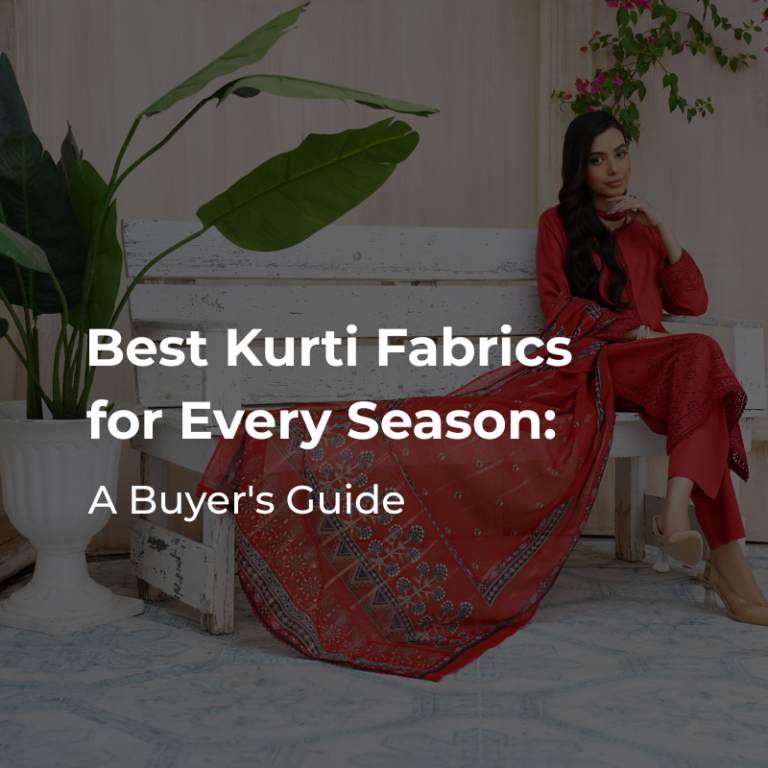

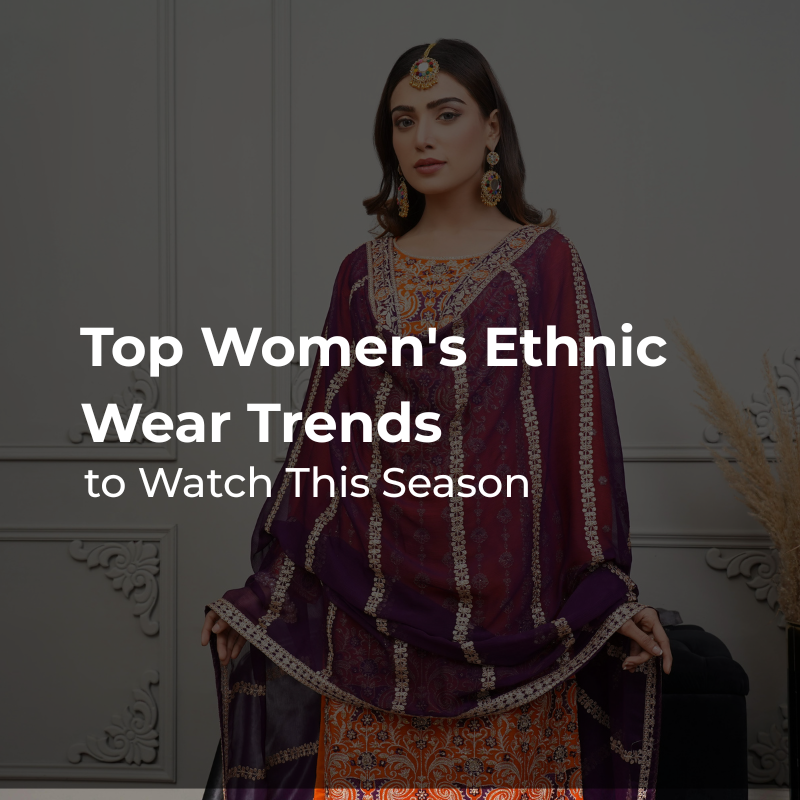
Fashion is constantly changing, and Trending Ethnic Wear for Women is becoming more versatile, comfortable, and contemporary than ever. Modern ethnic fashion combines traditional Indian craftsmanship with practical silhouettes, breathable fabrics, fresh colors, and easy styling. From elegant kurti sets and coordinated outfits to modern sarees and Indo-Western looks, today’s styles are designed to fit comfortably into everyday life as well as festive occasions.
If you are planning to refresh your wardrobe, you do not need to completely change your personal style. A few carefully chosen pieces can help you create fashionable looks while keeping your ethnic wardrobe comfortable and practical.
Comfortable Silhouettes for Everyday Dressing
One of the biggest changes in women’s ethnic fashion is the growing preference for comfortable silhouettes. Straight-cut kurtas, A-line kurtis, relaxed tunics, and easy-fitting kurti sets are becoming popular choices for everyday dressing.
These styles allow greater freedom of movement while maintaining a polished appearance. They can be worn to work, casual outings, family gatherings, or small celebrations.
Comfortable silhouettes are also easier to style with different bottoms, footwear, dupattas, and accessories. This makes them useful additions to a wardrobe that needs to work for multiple occasions.
The Growing Appeal of Co-ord Sets
Co-ord sets have become an important part of modern ethnic fashion. These outfits usually include a matching top or kurta with coordinated pants, skirts, or another bottom.
The biggest advantage is simplicity. Since the pieces are already designed to work together, creating a complete outfit takes very little effort.
For everyday wear, cotton and lightweight fabrics can provide comfort throughout the day. For festive occasions, printed, embroidered, or slightly more structured co-ord sets can create a sophisticated appearance.
A well-designed co-ord set can also be styled separately, giving you more outfit combinations from the same purchase.
Modern Ways to Wear Traditional Fashion
Indo-Western fashion continues to bring new energy to traditional clothing. Designers and fashion brands are combining familiar Indian fabrics, prints, and embroidery with contemporary silhouettes.
Cape-style kurtas, tunic dresses, jacket-style outfits, dhoti-inspired bottoms, and contemporary kurti sets are examples of this approach.
These styles are particularly suitable when you want an outfit that feels traditional without looking overly formal. They can work well for festive lunches, pre-wedding celebrations, casual parties, and evening gatherings.
Colors That Work Across Different Occasions
Color plays an important role in creating a versatile ethnic wardrobe. While bright reds, pinks, oranges, and yellows remain popular for celebrations, softer shades are increasingly useful for everyday outfits.
Pastel pink, lavender, sage green, beige, ivory, dusty blue, and muted peach can create a subtle and elegant appearance. Earthy shades such as olive, rust, brown, and terracotta are also easy to combine with neutral accessories.
For festive occasions, deeper shades such as emerald green, plum, navy, teal, and wine can add richness without requiring excessive embellishment.
Choosing colors that complement your existing wardrobe makes it easier to mix and match your ethnic outfits.
Breathable Fabrics for Indian Weather
Fabric selection can make a major difference to how comfortable an ethnic outfit feels. Cotton, linen, mulmul, muslin, and lightweight blends are popular choices for warm weather and everyday wear.
Breathable fabrics can be especially useful when you spend several hours wearing traditional outfits. They can also make simple silhouettes look elegant without relying heavily on embroidery or embellishments.
For festive dressing, fabrics such as silk blends, georgette, chiffon, and other dressier materials can add movement and texture to an outfit.
When shopping for ethnic clothing, consider the season, occasion, and expected duration of wear instead of choosing a fabric based only on appearance.
Kurti Sets That Make Styling Easier
Kurti sets remain a practical choice for women who want a complete ethnic outfit without spending too much time coordinating individual pieces.
A matching kurta, bottom, and dupatta can create a balanced look straight away. Depending on the print, color, and fabric, the same basic format can work for office wear, casual dressing, festive occasions, and family events.
For everyday use, look for lightweight fabrics and comfortable fits. For celebrations, embroidered necklines, printed dupattas, delicate borders, or subtle embellishments can make the outfit feel more special.
This versatility is one reason kurti sets continue to be an important part of Trending Ethnic Wear for Women.
Elegant Details Without Heavy Embellishment
Modern ethnic fashion does not always require heavy embroidery or elaborate decoration. Many contemporary outfits focus on smaller details that create visual interest while keeping the clothing comfortable.
Minimal threadwork, delicate borders, small prints, embroidered necklines, textured fabrics, and carefully placed embellishments can add sophistication without making an outfit feel too heavy.
This approach is especially useful for women who want clothing that can be worn for longer periods and styled for more than one occasion.
Prints That Bring Ethnic Outfits to Life
Prints are another easy way to refresh an ethnic wardrobe. Floral patterns, geometric designs, traditional motifs, block-inspired prints, stripes, and contemporary patterns can all create different moods.
Small and delicate prints can work well for office and daytime outfits, while larger prints can make a stronger statement for social occasions.
Printed kurtis and co-ord sets are also easy to accessorize. You can keep the accessories simple when the outfit has a bold print or introduce colorful accessories when the clothing has a more subtle pattern.
Contemporary Sarees for Easy Occasion Dressing
The saree continues to hold an important place in Indian fashion, but modern versions are making occasion dressing easier.
Pre-draped and pre-stitched sarees can reduce the time and effort required to create a traditional drape. Contemporary blouses, belts, jackets, and modern accessories can further transform the overall appearance.
These sarees can be suitable for weddings, festive celebrations, office functions, and evening events when you want a traditional outfit with a contemporary finish.
Easy Dupatta Styling Ideas
A dupatta can completely change the appearance of a simple kurti or kurti set. Instead of always wearing it in the traditional drape, experiment with different styling methods.
You can leave it flowing over one shoulder, drape it across both shoulders, create a relaxed front drape, or use a lightweight dupatta as a statement element.
Printed and textured dupattas can also be paired with plain kurtas to create a new outfit without purchasing an entirely new set.
How to Style Ethnic Wear for Different Occasions
For the Office
Choose simple silhouettes, subtle prints, breathable fabrics, and comfortable colors. A straight kurta with trousers or a polished kurti set can create a professional appearance without feeling overly formal.
For Casual Outings
Printed kurtis, lightweight co-ord sets, cotton outfits, and simple Indo-Western combinations are easy choices for shopping trips, lunches, and casual gatherings.
For Festive Celebrations
Choose richer colors, elegant embroidery, statement dupattas, or dressier fabrics. You can enhance a relatively simple outfit with earrings, bangles, footwear, and a small handbag.
For Family Gatherings
Comfortable kurti sets and coordinated ethnic outfits are practical options. Choose fabrics that allow easy movement and add accessories according to the formality of the occasion.
For Weddings and Special Events
For larger celebrations, consider embellished kurta sets, contemporary sarees, fusion outfits, or dressier co-ord sets. Instead of choosing excessive embellishment, focus on the overall combination of fabric, color, silhouette, and accessories.
Building a Wardrobe That Goes Beyond Trends
Following fashion does not mean buying every new style that appears. The most useful wardrobe combines current trends with pieces that remain wearable for several seasons.
When choosing Trending Ethnic Wear for Women, consider whether the outfit can be styled in different ways and worn for more than one occasion.
A neutral kurta can be paired with different dupattas. A co-ord set can be worn together or separately. A simple kurti can look completely different when styled with statement jewelry or a contrasting bottom.
This approach allows you to enjoy new trends without creating a wardrobe filled with pieces that have limited use.
What to Look for When Shopping for Ethnic Wear
Before purchasing a new ethnic outfit, consider a few practical details:
- Fabric: Choose materials appropriate for the weather and occasion.
- Fit: Make sure the silhouette allows comfortable movement.
- Color: Consider whether the shade works with your existing wardrobe.
- Versatility: Look for outfits that can be styled for multiple occasions.
- Quality: Check stitching, fabric finishing, embroidery, and overall construction.
- Care: Consider washing and storage requirements before purchasing delicate pieces.
- Styling potential: Think about how the outfit will look with your existing footwear, bags, jewelry, and dupattas.
These simple considerations can help you build a wardrobe that looks fashionable while remaining practical.
Final Thoughts
The latest direction in ethnic fashion is focused on making traditional clothing easier to wear in modern lifestyles. Comfortable silhouettes, versatile co-ord sets, breathable fabrics, soft colors, contemporary sarees, and subtle embellishments are creating outfits that can move easily from everyday activities to special occasions.
Trending Ethnic Wear for Women is not only about following what is fashionable at the moment. It is also about finding clothing that fits your lifestyle, feels comfortable, and gives you the flexibility to create different looks.
At Dolly Jolly Creations, Whether you prefer classic kurtis, coordinated sets, modern sarees, or Indo-Western outfits, choosing versatile pieces can help you build an ethnic wardrobe that feels both contemporary and timeless.